
Hail Season and Paintless Dent Repair: What Drivers Should Know
The introduction will provide an overview of hail season and the significance of paintless dent repair for vehicle owners. This method of repair has gained popularity owing to its efficiency and cost-effectiveness. According to Kelley Blue Book, small hailstones can fall at 25 mph and cause dents on a vehicle’s roof and hood. During hail season, which can cause extensive damage to vehicles, understanding this repair technique is crucial. This section sets the stage for an in-depth discussion on the subject, addressing common concerns and questions related to it.
Hailstorms are a stark reality for many regions, posing a significant risk to vehicles parked outdoors. The irregular, icy projectiles can vary in size, causing a spectrum of damage that ranges from minor surface dents to shattered windshields. This article delves into the process of paintless dent repair, an innovative method that addresses such damage without resorting to traditional, time-consuming repair techniques.
Many vehicle owners find themselves anxious about the probability of incurring substantial repair bills during hail season. By exploring paintless dent repair, this article aims to provide clarity and an actionable guidebook on navigating vehicle repairs post-hail damage. From understanding the practical benefits of this technique to dissecting insurance nuances, readers will be equipped to tackle dent repair with confidence.
1. What is Paintless Dent Repair and How Does It Work?
1.1 Definition and Overview
Paintless dent repair (PDR) is a technique developed for the removal of minor dents and dings from the surface of a vehicle while maintaining the integrity of the original paint finish. It is particularly effective on aluminum and steel panels, which are commonly used in automotive manufacturing. This method leverages specialized tools designed to manipulate the metal back to its original form without needing fillers or repainting. The popularity of PDR has grown due to its efficient process that preserves the vehicle's original factory paint.
In essence, paintless dent repair is characterized by its non-invasive approach, minimizing the ecological footprint associated with traditional auto repair methods. Unlike conventional body shop repairs that often involve sanding, filling, and painting, PDR employs precise techniques to massage the metal back into shape. This innovative method is especially favored during hail seasons, as it swiftly addresses the cosmetic concerns caused by falling hailstones. Ultimately, paintless dent repair offers an economical and viable solution for drivers looking to maintain their vehicle's appearance without incurring excessive costs.
1.2 The Step-by-Step Process
The paintless dent repair process starts with a detailed assessment of the damage to ensure that PDR is indeed a suitable method of repair. Skilled technicians use specialized lighting tools to identify and evaluate the extent and position of dents. Armed with this information, they can craft a tailored approach to addressing the unique challenges posed by each dent. If the challenge is minimal based on this evaluation, PDR is carried out using precision and care.
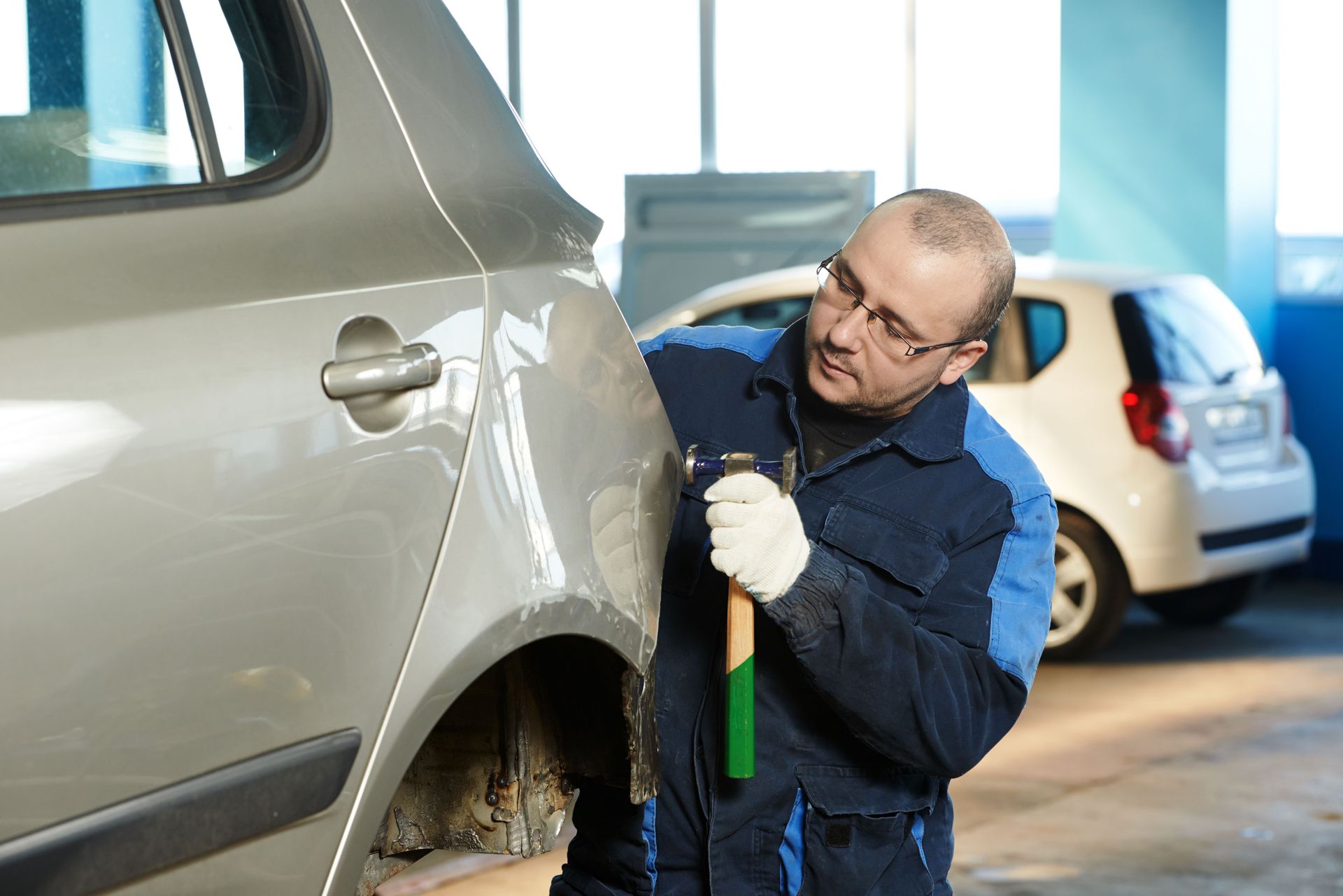
Once the analysis is complete, skilled technicians begin the intricate task of slowly massaging out the dents from behind the panel. This is performed utilizing an array of specialized tools. These tools and meticulous techniques ensure the metal is gradually coaxed back into its original position without compromising the paint. The entire process demands patience and dexterity, emphasizing the artistry intrinsic to paintless dent repair.
2. Why is Paintless Dent Repair Preferred During Hail Season?
2.1 Cost Efficiency
It's widely acknowledged that paintless dent repair is incredibly cost-effective, especially during hail season when numerous vehicles may simultaneously require attention. Expensive, multi-layer paint jobs and body fillers make traditional repair techniques less appealing when faced with widespread damage. PDR circumvents these costly processes, allowing for comprehensive yet budget-friendly repairs on multiple dents. This makes it an attractive choice for budget-conscious vehicle owners faced with extensive hail damage.
For insurance companies, paintless dent repair also represents a financially sound option. When processing claims, insurers prefer low-cost yet effective repair methods to minimize overall expenditures. PDR fits this requirement beautifully, often making it the go-to recommendation for hail-induced dents. When considering repairs, vehicle owners are encouraged to look for PDR-approved facilities, which may align with the preferences of their insurance provider.
2.2 Time-Saving Advantages
Paintless dent repair is not just about financial savings; it consistently outshines traditional methods in terms of time efficiency. Given the precision and design of the tools used, technicians can perform repairs swiftly without the need for extensive disassembly or repainting. In fact, the PDR process is often completed in a fraction of the time it would take to conduct conventional bodywork. This rapid turnaround is invaluable to customers who rely on their vehicles daily.
During hail season, when auto repair shops can become inundated with work, choosing PDR ensures that a vehicle is swiftly addressed and returned. This is particularly crucial for accommodating the spikes in vehicle volume that are common post-hailstorm. For vehicle owners, this rapid service highlights the practicality of adopting paintless dent repair during high-demand periods like hail season. It helps minimize the disruption to their routine and provides peace of mind in a stressful situation.
3. Can Insurance Cover Paintless Dent Repair?
3.1 Understanding Insurance Policies
Many vehicle owners might wonder if paintless dent repair is covered under their insurance plan, as this can significantly affect repair costs and decisions. Typically, PDR coverage hinges on the nature of the insurance policy and the type of loss encountered. Comprehensive insurance, which encompasses damage from non-collision incidents such as hail, often includes PDR as a viable repair method. It's essential, however, to scrutinize the terms of the policy to ascertain the scope of coverage.
While PDR may be covered, the degree to which it is prioritized is contingent on agreements between the insurance company and repair facilities. Some insurers may specifically recommend PDR facilities due to cost-effective repair options or existing partnerships. Vehicle owners must engage proactively with their insurers to understand potential limitations or recommendations throughout the repair process. Understanding the intricacies of an insurance policy can preempt misunderstandings and facilitate smoother claim proceedings.
3.2 Filing a Claim for Hail Damage
Filing a claim for hail damage efficiently requires being informed and prepared. The first step is to document the extent of the damage through photographs and notes, which serves as valuable evidence during the claims process. Following documentation, the vehicle owner should promptly contact their insurance provider to report the incident and seek guidance on proceeding with the claim. Timely submission is crucial, as policies may have deadlines for reporting such events.
Once the claim is reported, the insurance company typically schedules an inspection to assess the damage and establish the estimated cost of repair. During this phase, it is beneficial for the vehicle owner to inquire about the possibility of employing paintless dent repair. Many insurers are amenable to PDR due to its lower costs and repair efficiency, making it a mutually beneficial option.
The conclusion will summarize the key points discussed throughout the article, reinforcing the utility of paintless dent repair during hail season and offering final thoughts for vehicle owners considering this option. As highlighted, PDR offers significant advantages over traditional methods, particularly in terms of efficiency, cost, and environmental impact. Furthermore, understanding the role of insurance in covering hail damage repairs allows vehicle owners to make informed decisions on managing claim processes.
Vehicles represent more than mere transportation; they are investments that merit care and attentiveness, especially post-hailstorm. Paintless dent repair emerges as a sophisticated, innovative option providing optimal solutions for such vehicular challenges. By offering a method that respects the original craftsmanship of vehicle production while championing eco-friendliness, it remains a prized technique among car aficionados and practical owners alike.
As hail season sets in, proactively considering paintless dent repair prepares vehicle owners for the unpredictable. Equipped with a thorough understanding of both this technique and relevant insurance processes, readers are now better positioned to navigate post-hail repairs. By prioritizing transparent dialogues with repair professionals and insurance representatives, one ensures both vehicle and peace of mind remain steadfastly intact. Reach out to Xtreme PDR, Inc. today to see how we can help you!

Share On: