7 Tips to Know for After a Collision

September 28, 2026

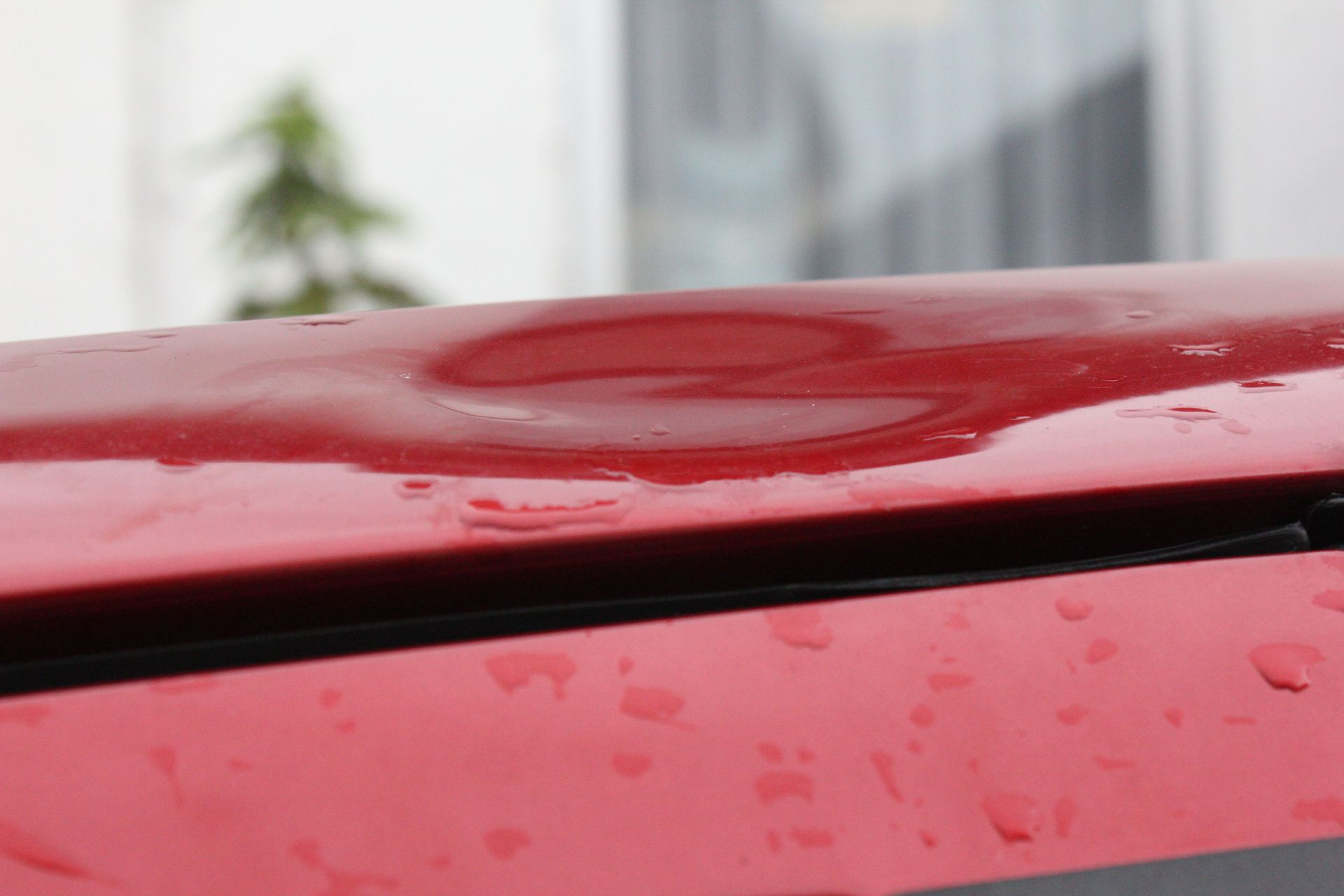
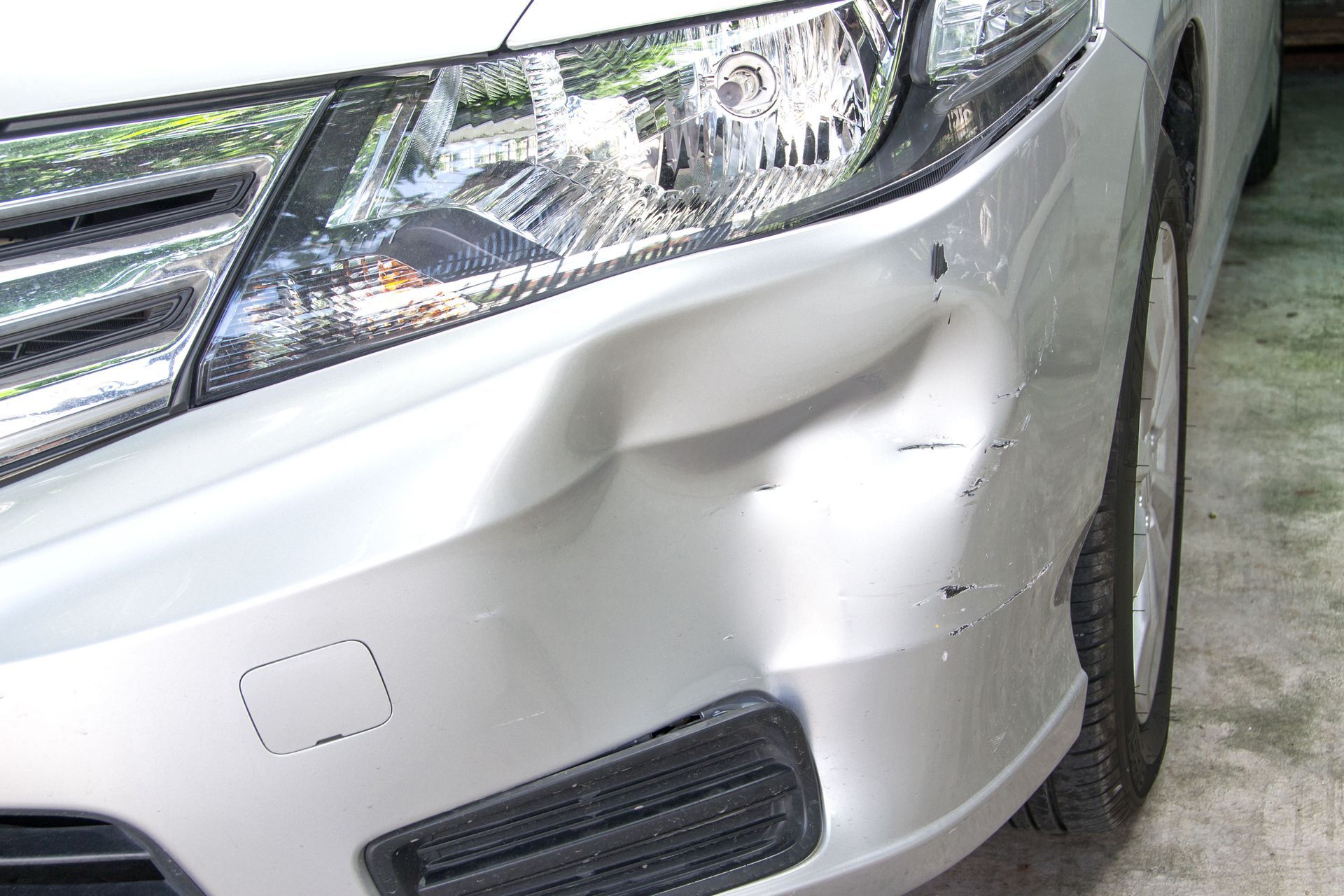
The moments following a collision can be stressful and confusing, making it important to first address immediate safety concerns and then assess the condition of the vehicle. According to Forbes, there are about 5,250,837 car collisions per year. A collision can leave behind dents, dings, creases, and other visible impact marks that may need attention, so taking time to document the vehicle's condition can help when considering repair options later.


1. Immediate Safety Concerns

Check for Injuries

Immediately after a collision, the safety of everyone involved should be your top priority. Check yourself and your passengers for visible injuries and contact emergency services when necessary. Even when no serious injuries are immediately apparent, take appropriate precautions before turning your attention to the vehicle.


Move to a Safe Location

After addressing immediate safety concerns, move the vehicle to a safer location if it can be done without creating additional risk. Getting away from active traffic can provide a safer setting for exchanging information and looking over the vehicle. Use caution when moving the vehicle, particularly if the collision may have affected its ability to operate safely.


Activate Hazard Lights

If the vehicle remains near traffic, activate the hazard lights to make its position more noticeable to other drivers. Additional caution can be especially important when visibility is limited. Once everyone is safe and the immediate situation is under control, you can begin documenting the vehicle's condition.


2. Detailed Damage Documentation

Take Clear Photos

Take clear photos of any visible damage to the vehicle. Focus on dents, dings, creases, and impact marks, and photograph affected panels from multiple angles. Detailed images can help you keep track of the vehicle's condition when discussing potential repair options, including auto dent removals.


Record Visible Damage

Note the areas of the vehicle that appear to have been affected by the collision. Pay attention to the location and appearance of individual dents or other visible marks. Documenting the condition of the panels can provide useful information when the vehicle is later evaluated for auto dent removals.


Capture the Surrounding Area

Photos of the surrounding area can provide additional context about where the collision occurred. Along with photographs of the vehicle itself, these images can help you maintain a thorough record of the details of the damage. Keep the photographs organized so the vehicle's condition is easy to review later when considering auto dent removals.


3. Essential Driver Information

Share Driver Details

Exchange relevant contact information with the other drivers involved in the collision. Collect the information needed for your records and provide your own information as appropriate. Keeping these details together with photographs of the vehicle can make it easier to organize everything related to the incident and any potential auto dent removals.


Record Insurance Information

Exchange insurance information with the other involved drivers when appropriate. Keep the information with the photographs and other records from the incident. If insurance paperwork becomes part of the repair process, having the relevant information organized can make the administrative side easier to manage when arranging auto dent removals.


Note Vehicle Identification

Record the make, model, color, and license plate information of the vehicles involved. Keeping these details with the rest of your collision records can help distinguish the vehicles and organize the information associated with the incident. Maintaining organized records can also make it easier to discuss the vehicle's condition and possible auto dent removals.


4. Careful Damage Assessment

Inspect the Affected Panels

Once immediate concerns have been addressed, take a closer look at the vehicle's exterior. Look for visible dents, dings, creases, and impact marks on the affected panels. Some damage may be relatively minor while other dents may be larger or located in areas that require a more detailed evaluation for auto dent removals.


Consider the Damage Type

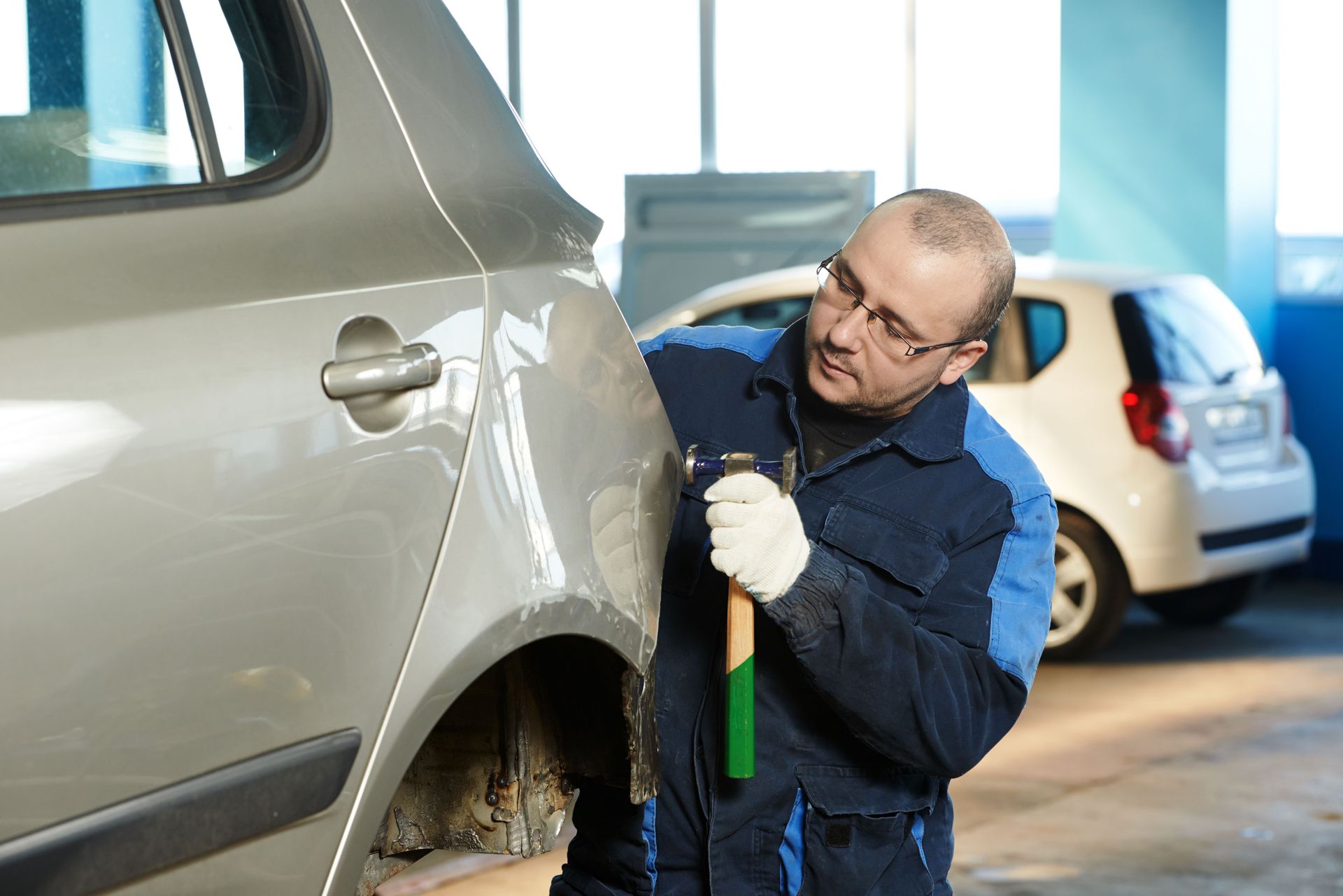
The size, location, and characteristics of a dent can affect which repair approach is appropriate. Paintless dent repair can address many minor dents and impact marks while preserving the vehicle's original paint. An evaluation can help determine whether a particular area of damage is appropriate for auto dent removals using PDR.


Review the Original Paint

Preserving the vehicle's original paint can be an important consideration when addressing dents and dings. Paintless dent repair reshapes damaged metal without relying on traditional repainting. The process can help restore the appearance of an affected panel while retaining its original finish when the damage is suitable for PDR.


5. Practical Dent Removal Steps

Address Minor Dents

Minor dents and dings can occur from collisions, parking-lot impacts, and other incidents. Paintless dent repair uses specialized techniques to gently massage damaged metal back toward its original shape. This approach can address many cosmetic dents without sanding, fillers, or repainting.


Repair Door Dings

Door dings can leave small dents and noticeable marks on otherwise intact vehicle panels. Paintless dent repair can be used for many door dings and minor dents, depending on the location and characteristics of the damage. Express dent removal is also available for smaller repairs that are suitable for this approach.


Evaluate Impact Marks

Not every dent has the same characteristics, so an evaluation is useful before determining the appropriate repair method. The size, depth, location, surrounding panel condition, and accessibility of the damaged area can all be considered. When the damage is suitable for PDR, the panel can be reshaped while preserving the vehicle's original paint.


6. Extensive Hail Damage

Inspect Hail Dents

Hail can leave multiple dents across a vehicle's exterior, making a thorough assessment important. Hail-damage repair can involve identifying individual dents and evaluating the extent of the damage across the affected panels. Photographs taken after the damage occurs can also help document the vehicle's condition.


Repair Hail Damage

Paintless dent repair is used for many types of hail damage. The technique allows damaged metal to be carefully reshaped while preserving the vehicle's existing paint. The size, location, and characteristics of individual hail dents can affect whether PDR is appropriate for a particular area.


Coordinate Applicable Paperwork

Hail damage may involve insurance paperwork as part of the repair process. Insurance assistance is available when applicable, including working with insurance providers and handling related paperwork. Keeping photographs and other information about the vehicle's condition organized can help support the administrative side of the repair.


7. Available Vehicle Enhancements

Install Lift Kits

Vehicle owners looking to modify their vehicle can consider lift kit installation as part of an automotive enhancement project. Lift kits can change a vehicle's ride height and overall stance. This service is part of the Street Works vehicle enhancement offering.


Add Leveling Services

Leveling services provide another option for modifying a vehicle's stance. A leveling kit can alter the vehicle's appearance and complement other vehicle modifications. These services are available as part of the vehicle enhancement options offered through Street Works.


Upgrade Wheels and Tires

Wheels and tires can also be incorporated into a vehicle customization project. Wheel and tire options can change the appearance of a vehicle while complementing other modifications. Street Works offers wheels and tires as part of its automotive enhancement services.


Add Bed Covers

Truck owners can also consider bed-cover options as part of a vehicle enhancement project. Bed covers and Tonneau covers are among the products offered through the Street Works side of the business. These products provide additional options for customizing a truck.


After a collision, documenting visible vehicle damage can help you understand what needs attention and consider appropriate repair options. Dents, door dings, creases, impact marks, and hail damage may be candidates for paintless dent repair, depending on the characteristics of the damage. Xtreme PDR, Inc. offers auto dent removals, hail-damage repair, door-ding and minor-dent repair, and Street Works vehicle enhancements, including lift kits, leveling services, wheels and tires, bed covers, and Tonneau covers, so learn more about our available services.
August 27, 2026
Discover how professional paintless dent removal services restore vehicle panels, protect factory paint, and save both time and money.
paintless dent repairs
June 15, 2026
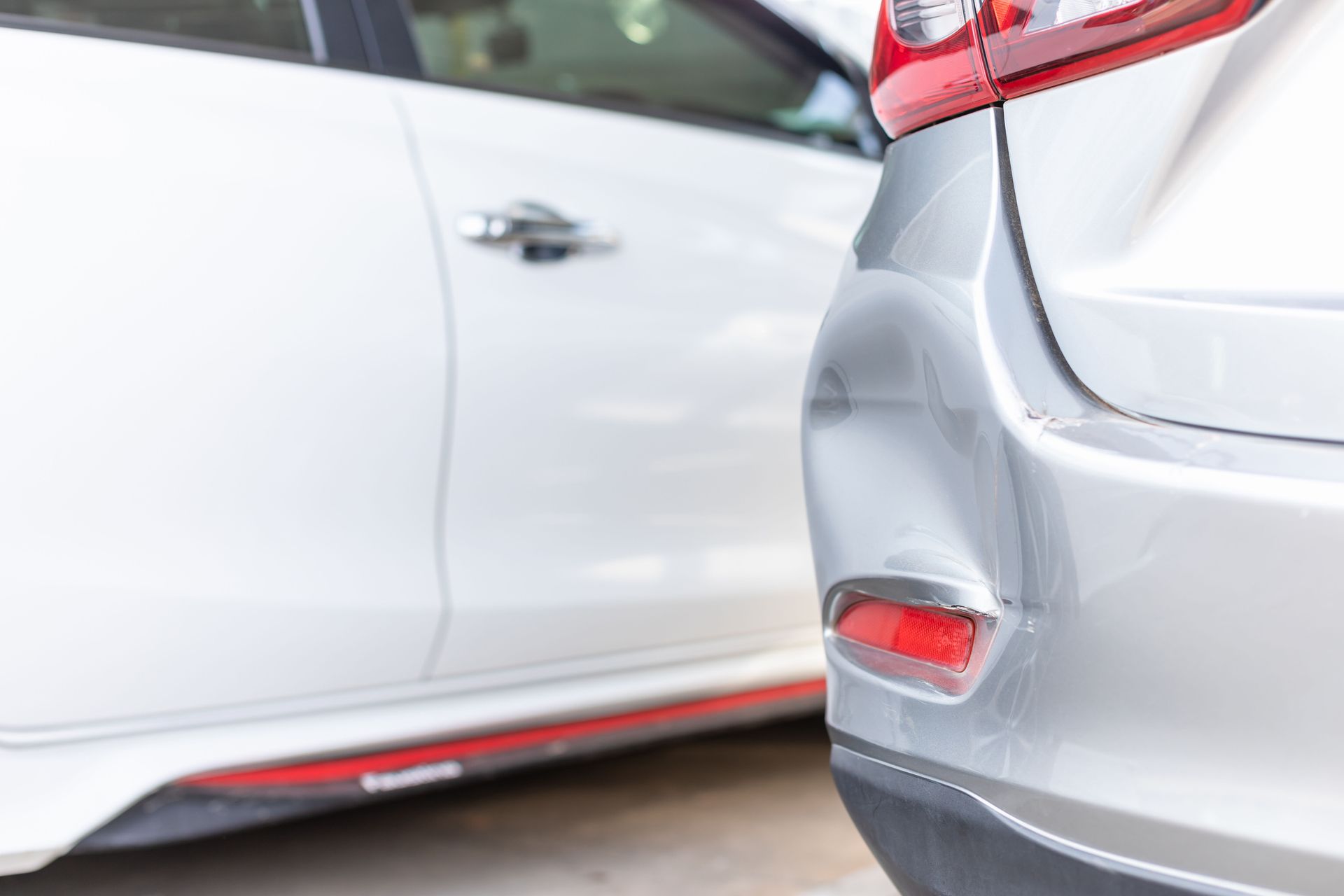
Owning an automobile requires constant vigilance against environmental elements and everyday hazards. Stray shopping carts, unexpected hailstorms, and careless drivers in parking lots create inevitable imperfections on car doors and fenders. These superficial blemishes accumulate over the lifespan of the vehicle, detracting from the sleek, aerodynamic profile the original manufacturer intended. Owners seek reliable methods to restore their vehicles without undertaking intrusive overhauls. Implementing paintless dent repairs becomes an essential strategy for individuals who wish to preserve their automotive investments. Maintaining that showroom shine requires proactive attention and dedication to detail. Cosmetic damage diminishes the appraisal price of any vehicle when the time arrives to sell or trade the asset. Dealerships and private buyers scrutinize every exterior panel, subtracting substantial value for each visible scratch or shallow ding. Addressing these cosmetic issues before listing an automobile maximizes the potential return on the initial investment. Opting for specialized techniques rather than traditional auto bodywork offers distinct advantages for owners looking to secure the absolute highest offer. A flawless exterior signals meticulous maintenance and care. Retaining the Original Factory Finish Automakers apply specific, specialized coatings designed to endure harsh weather conditions and physical impacts. The factory clear coat provides a resilient barrier against ultraviolet rays, acidic rain, and corrosive road salt. This application process occurs in a sterile, climate-controlled environment, baking the finish onto the bare metal for maximum adhesion. Replicating this exact level of exterior durability outside a dedicated manufacturing facility proves difficult for standard collision shops. Conventional surface correction methods mandate sanding down the damaged exterior area, applying synthetic filler material, and spraying fresh color. This intrusive process destroys the pristine factory seal on the affected metal panel. When the seal shatters, the exterior becomes susceptible to oxidation, rust formation, and premature paint degradation. The vehicle shell loses its cohesive defensive strength when sections undergo standard aftermarket repainting procedures. By utilizing modern auto body techniques, technicians manipulate the metal from behind the affected panel. They massage the curvature back to its intended shape without breaking the resilient surface clear coat. This careful, precise process leaves the manufacturer-applied layers intact and undisturbed. The vehicle exterior retains its robust defense against environmental wear and tear. Appraisers search for original paint when evaluating pre-owned automobiles for trade or purchase. Vehicles maintaining their unblemished factory exterior command premium prices on the used market. Buyers feel confident knowing the car never sustained damage severe enough to require extensive surface reconstruction. Preserving this vital exterior layer serves as a huge factor in maintaining overall vehicle equity and market desirability. Avoiding the Color Matching Problems Blending fresh pigment with weathered automotive exterior panels presents immense challenges for body shop professionals. Sunlight exposure causes gradual shifts in color hues, meaning the manufacturer's paint code no longer aligns with the current vehicle exterior. Technicians must tint and adjust the liquid mix to mimic the aged appearance of the surrounding panels. This complex procedure introduces room for human error and visual inconsistencies across the vehicle. Even a slight variation in surface tone becomes glaring under harsh daylight or fluorescent parking garage lights. Spot treatments appear lighter or darker than adjacent panels, drawing immediate visual attention to the fixed area. Some metallic or pearlescent finishes prove impossible to replicate on a small scale. These mismatched spots ruin the cohesive, attractive aesthetic of the entire automobile. When prospective buyers notice mismatched exterior sections, they suspect severe past collisions and hidden damage. This suspicion prompts them to negotiate a lower purchase price or abandon the transaction. They fear unseen mechanical issues might accompany the visible surface paint discrepancies. Maintaining visual uniformity prevents these stressful concerns from arising during intense price negotiations. Selecting paintless dent repairs eliminates the need for color-matching procedures. The process utilizes the existing pigment, ensuring the treated spot remains indistinguishable from the remainder of the vehicle. Visual consistency flows across every metal panel, presenting a flawless facade to buyers inspecting the exterior. This uniform appearance provides buyers with peace of mind regarding the automobile's history. Reducing the Service History Footprint Comprehensive vehicle history reports dictate the marketability of used cars in the modern automotive era. Tracking services document major maintenance events, insurance damage claims, and structural body fixes. An immaculate report acts as a powerful marketing tool for sellers aiming to command maximum market value. Conversely, a report littered with body shop visits raises massive red flags for potential vehicle purchasers. Every day driving exposes cars to constant risks of minor impacts and frustrating collisions. According to Amica Insurance, around 1.7 million rear-end collisions occur in the United States each year. These specific incidents result in shallow bumper impressions or creased rear trunk lids. While these imperfections lack mechanical severity, they leave a negative mark on the overall vehicle presentation. Traditional bodywork requires formal insurance claims and official shop invoices, creating a permanent documentary trail. Prospective buyers viewing these digital reports cannot distinguish between a minor cosmetic fix and a massive structural reconstruction. They assume the worst-case scenario and devalue the automobile. A minor parking lot mishap translates into a significant financial penalty upon vehicle resale. Utilizing paintless dent repairs bypasses formal insurance reporting channels. Many vehicle owners cover these affordable service costs out of pocket, keeping the transaction off the official history report. The vehicle maintains a pristine background record, signaling responsible ownership and careful driving habits. This immaculate documentation supports higher asking prices and faster sales transactions. Ensuring the Long-Term Durability Standard body shop techniques rely on synthetic fillers to smooth out crushed or bent metal. While this creates a flat surface, filler compounds possess different thermal expansion rates than steel or aluminum. Temperature fluctuations cause the underlying metal to expand and contract at contrasting speeds. This continuous physical movement stresses the bond between the filler material and the car body. Over time, these patched body areas begin to deteriorate and fail under environmental pressure. The filler may shrink, causing the original indentation to reappear as a subtle wave in the metal panel. In severe cases, the applied materials crack, allowing destructive moisture to penetrate and rust the underlying structure. Peeling the clear coat over these sections degrades the visual appeal of the automobile. Metal memory provides the core foundation for alternative surface correction methods. Skilled auto professionals use specialized tools to encourage the material back into its natural, manufactured state. This non-invasive approach restores the structural integrity of the panel without relying on foreign chemical substances. The metal regains its original strength and rigid resistance to future physical impacts. Because paintless dent repairs use no fillers or aftermarket primers, the results last. The restored panel will not degrade, shrink, or crack under extreme seasonal weather conditions. The fix remains permanent until the car changes ownership or sustains new damage. This lasting material quality protects the owner from unexpected deterioration and subsequent vehicle value loss. Maximizing the return on an automotive investment requires strategic and thoughtful maintenance choices. Small decisions regarding surface blemishes compound over the lifespan of a vehicle, creating substantial differences in final appraisal values. Avoiding invasive, traditional auto bodywork methods keeps the vehicle closer to its pristine, off-the-line showroom condition. Savvy vehicle owners recognize the financial benefits of maintaining original parts and surface finishes. Securing a premium purchase offer necessitates presenting a flawless, cohesive automobile to the open market. Opting for paintless dent repairs provides the ideal balance of cost-effectiveness and strict value preservation. This sophisticated approach erases physical imperfections while keeping the factory exterior and vehicle history intact. Sellers can approach the market with confidence, knowing their car represents a top-tier financial asset. Preserve your vehicle's value today by contacting Xtreme PDR, Inc. for professional paintless dent repairs . Schedule an appointment with our expert technicians to restore your car's flawless exterior.
paintless dent repair
June 12, 2026
Severe weather can do great and expensive damage to your car, so it is important to know what paintless dent repair is available near you.
paintless dent removal services
January 15, 2026
Learn 3 things that you should know about your car insurance and how it covers damages fixed by auto body companies such as paintless dent removal services.
auto dent removal
April 25, 2025
Auto dent removal may be necessary in the unfortunate event of a car collision. Here are three facts about car collisions that might surprise you.
auto dent removal
April 4, 2024
Were you looking for local auto dent removal services? Read more to find out how to choose the best dent repair company near you.